
Find and see the best corporate environmental sustainability news, posts and stories here, at Edenark Group’s “IN THE NEWS.” Let us know if you have environmental sustainability news you would like us to add.

Another remarkable, yet regular, story
This video, of one of our clients at Gym For The Brain, is both a remarkable and regular story. We have dozens and dozens of stories just like this one.
The ‘people side’ of the Edenark Group ISO 14001 program does not get as much attention as the environmental side due to society not yet seeing the connection between environmental and wellness issues.
As we have repeatedly stated, if you have a sustainability program and it does not have a people piece (ie, wellness and performance), you really don’t have a sustainability program.
This master class explains how we think.

Sustainability Regulations starting to show teeth
We previously reported on the EU’s Carbon Border Adjustment Mechanism (CBAM) which went into force on 16 May 2023.
The purpose of the CBAM is to target carbon leakage, which occurs when a company produces its products in countries with less strict climate policies. In other words, anything being imported into the EU from countries that are not as climate-sensitive, will be taxed.
This article states that 27% of India’s iron, steel and aluminum exports go to the EU and the CBAM is expected to increase the landed cost of these items by 20-35%.
In effect, India has a few choices – a) challenge the regulation via the WTO, knowing it will probably have little to no impact; b) attempt to negotiate a lower tax; or c) recognize the direction the world is heading and help its business community become certified sustainable with a carbon reduction program.
Edenark Group can help.
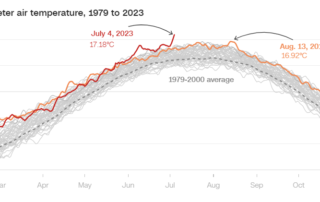
It is Hot and Getting Hotter
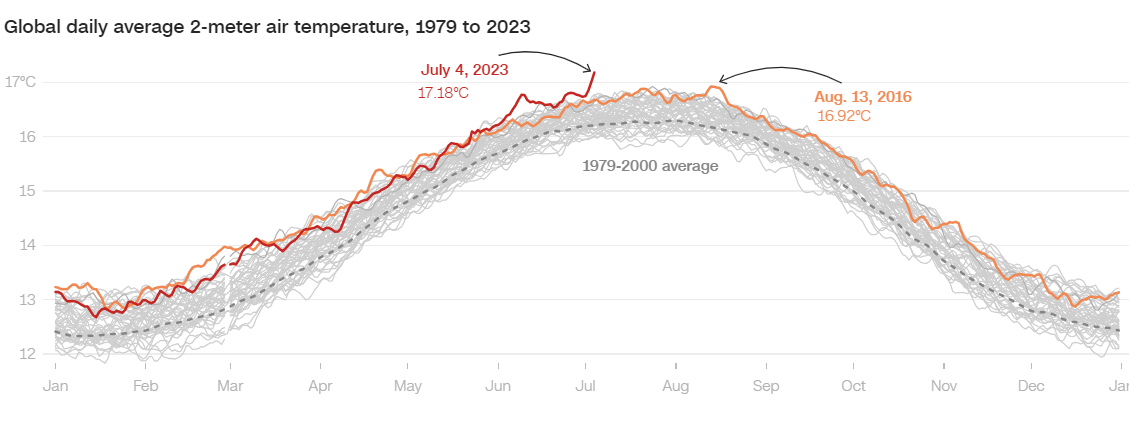
This week saw the hottest day since records began.
It will get hotter, as El Niño is layered on top of global heating caused by you and me.
If your business wants to be part of the solution, watch this master class and give us a call.
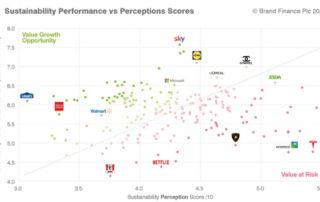
The price of not being a certified sustainable company
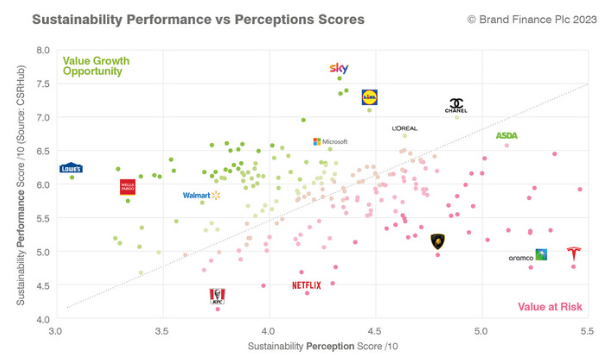
As this article states, “Corporations across the economy are at risk of losing financial value by either underplaying or overplaying their hand when it comes to sustainability.”
There is a cost attached to greenwashing (ie, overstating your sustainability achievements) and there is also a cost attached to not having a sustainability program or having one and greenhushing (ie, not promoting your validated sustainability achievements).
Both greenwashing and greenhushing are hurting company bottom lines.
If your sustainability claims are not validated/certified and you are promoting them, it negatively impacts your brand and value. On the other hand, if you do not have a sustainability program; or if you have a valid/certified sustainability program but are not talking about it; that also negatively impacts your brand and value.
As an example, per the study, if Microsoft did a better job of talking about its sustainability program, it could add approximately $1.5 billion to its overall company value.
Pepsi could add $500 million, or 3%, to its overall value, if it did a better job of promoting its sustainability program.
On the other hand, Tesla, which does not score well on social sustainability or governance, has $4 billion, or 6% of its value, at risk, due to over-promotion of programs that are not certified and are not as good as they claim….and the market sees it.
The key takeaways for your company:
- Like it or not, consumers are evaluating your company on its sustainability effort
- A meaningful part of your company’s value is tied to its sustainability effort
- Greenwashing (promoting a sustainability effort that is not validated/certified by a 3rd party) will hurt you
- Greenhushing (not promoting a sustainability program that is 3rd party validated/certified) will hurt you
- You need a 3rd party certified/validated sustainability program that helps you promote your real/accurate sustainability efforts
- This masterclass explains what to look for in a program

Three Sustainable Business Practice Reminders
Per this article in Entrepreneur magazine, here are three environmentally sustainable business practice reminders
- Reputation – Being environmentally sustainable is admired and builds trust with consumers and others in the business community; doors will open, consumers will seek you out, and your brand’s reputation will be enhanced
- No Greenwashing – Do what you preach
- Maximize Your Marketing Budget – People are looking for certified sustainable companies. There are not many, if any, things you can do with your marketing budget that will have a bigger positive impact than being able to promote being certified sustainable and using your marketing budget to tell sustainable stories about projects your organization is working on
Edenark Group can help you implement and execute these practices to your benefit

New G20 Rules to Crack Down on Greenwashing
As this article states, the ISSB has published new rules that are intended to put more pressure on companies to disclose how climate change is impacting their operation. This will also help curb greenwashing.
- Canada, Britain, Japan, Singapore, Nigeria, Chile, Malaysia, Brazil, Egypt, Kenya and South Africa are already considering adoption. Other countries will follow.
As these rules are adopted, the trickle-down from listed companies to their suppliers will occur. Those suppliers that are prepared, will take market share.
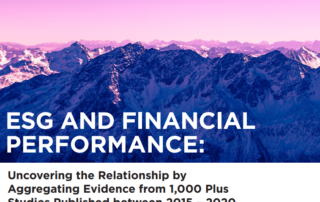
NYU/Stern Aggregation of 1,000 Studies of ESG and Financial Performance
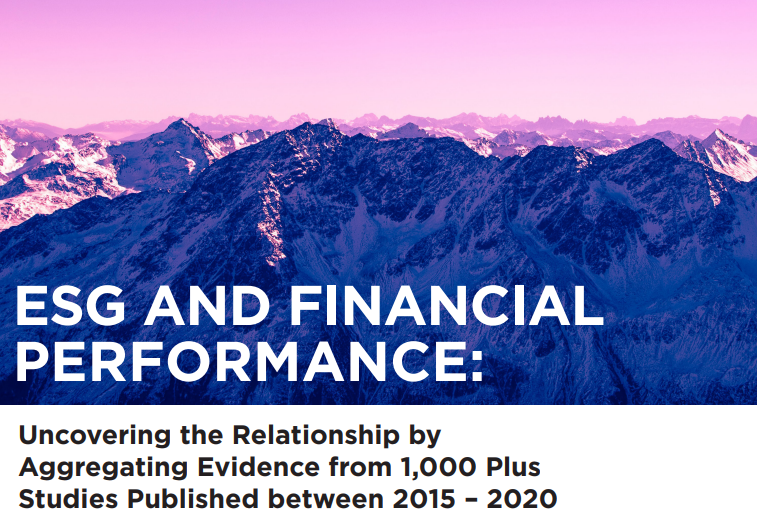
NYU/Stern aggregated 1,000+ studies from 2015 – 2020 into this monster report. Some of it is targeted for investors, some for operators, some discusses pure sustainability and some ESG.
There is nothing new or surprising in the findings. The quantity of data studied, however, is quite impressive.
Key points for sustainability at the operational level:
- Sustainability initiatives drive better financial performance
- Managing for a low carbon future improves financial performance
Edenark Group ISO 14001 – Better Certification Solution for Real Estate Assets
This audio interview was given in response to the question – “What is the best sustainability program for real estate assets?”
Here is a quick flyer on the value of the Edenark Group ISO 14001 program.

Consumer Increased Demand for Sustainability Happening Quickly
As all of us remember, and as this article states, not many years ago, producers of products would say, “Consumers don’t care about sustainability or deforestation – they just want cheap products.”
Then, three years ago, the climate crisis and environmental issues caught more of our attention as we were all feeling vulnerable (ie, COVID).
As of the time of this article, which was two years ago, a study showed a 71% increase in online searches for sustainable goods globally and 66% of all respondents and 75% of millennials considered sustainability when making a purchase.
As recently as a year ago, studies which we have shown, put the percentage considering sustainability up to 88%, those willing to change brands specifically for sustainability at 70%, and 25% of consumers having already changed brands due to sustainability.
This year, we are seeing the wave of consumer demand drive governments to put teeth into their sustainability and carbon policies.
To those of you who see how fast things are evolving, contact us. We are happy to help you be part of the future.
To those who say, “Consumers still want cheap product”, we say, “Yep, they sure do; but made by a certified sustainable company.”




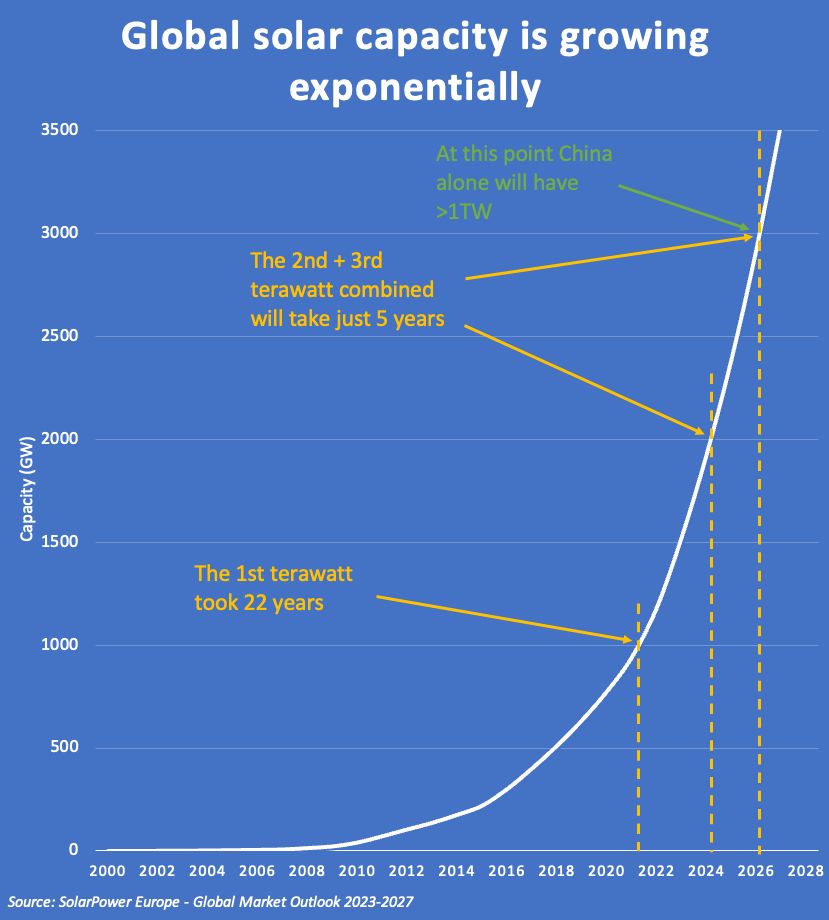
A bit of good news – World Solar Capacity is Growing Exponentially
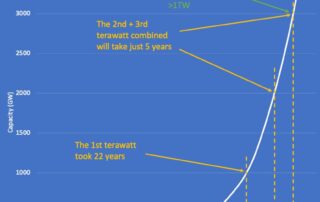
Balanced against some of the climate data we have been seeing, this chart, which shows how fast global solar capacity is rising, is a welcome sight.
Solar is far less expensive than fossil fuels, so most new energy creation projects consider solar and the other alternative energy solutions before considering the more costly (in multiple ways) fossil fuel option.
Edenark Group leadership has been responsible for over $1b in active/operating solar around the world and helps its clients make smart financial decisions regarding energy needs.